
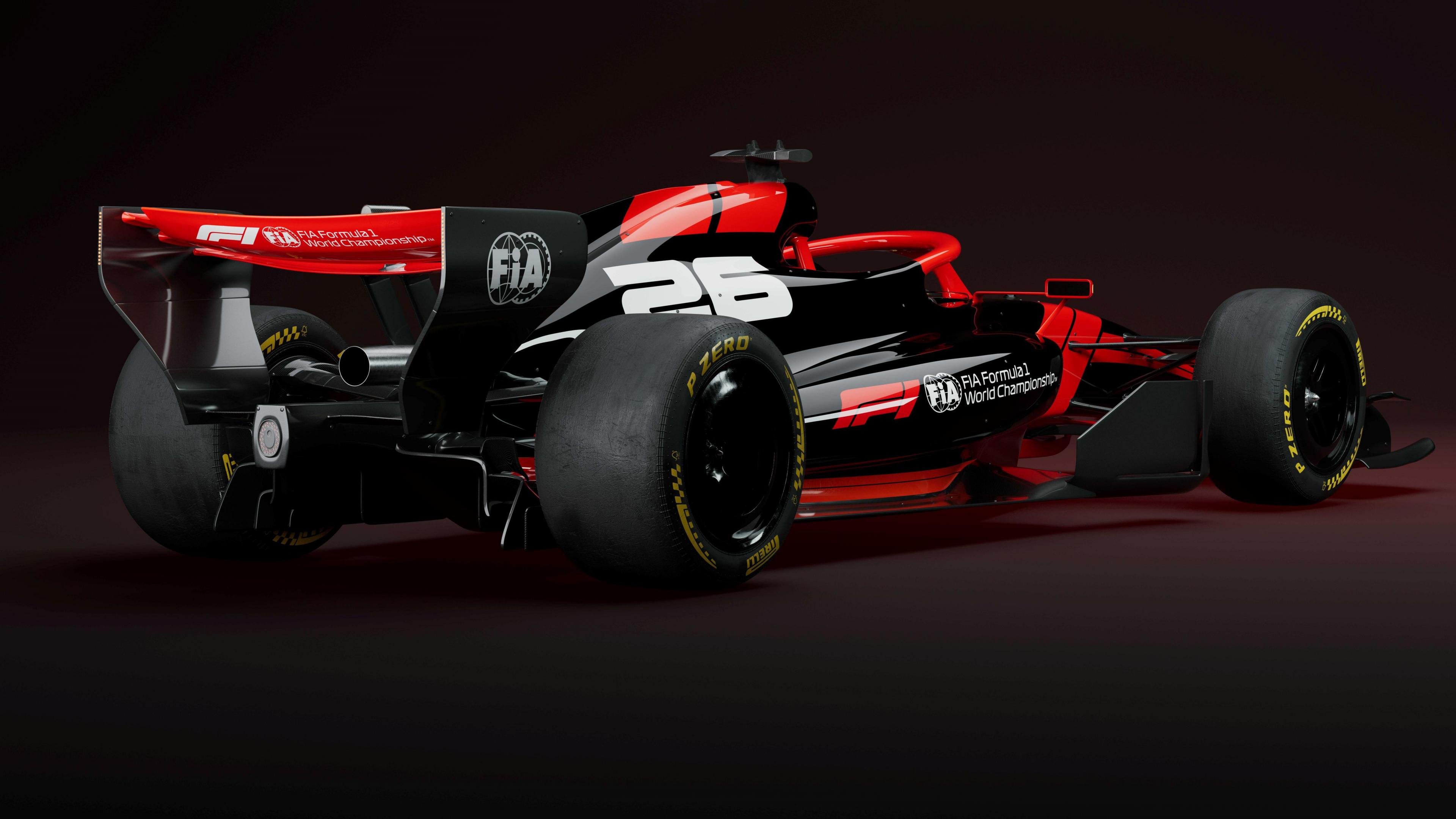
The 2026 Formula 1 cars are set to be lighter, more agile and sustainable compared to current models.
Formula 1 has unveiled the official terminology that will be used to explain the intricate details of its upcoming 2026 technical rules.
The championship is embarking on what is considered the most significant rules overhaul in its long history next season, featuring fresh chassis and power unit regulations and the compulsory introduction of eco-friendly fuels.
The updated 1.6-litre V6 turbo hybrids, which retain the 1.6-litre V6 configuration, boast a greatly enhanced electrical capacity, driving significant developments in the vehicles' aerodynamic design.
Over a race distance, drivers will carefully oversee battery power – sometimes even hot laps – to achieve the peak result.
Extensive fan consultation were conducted with a diverse audience, including long-time followers and newcomers, to identify which terms would improve understanding of the main elements of the new regulations.
The stated goal was to present a series of complex features of the sport as accessible as possible for the widest audience.
Consequently, older technical labels for certain devices – such as "modes labelled X and Z" for the moveable wings – have been discarded in favor of straightforward terms that succinctly convey the primary purpose of the technology.
Exploring the New Tech
The FIA states that competitors will have increased agency to choose strategies regarding energy deployment, regeneration, and conservation.
The upcoming changes feature a series of modes that will be shown on television graphics to enhance the audience's understanding of the strategic duel.
- Attack Mode: This replaces the present overtaking aid. It provides a burst of extra electrical energy available when a competitor is less than a second the car ahead to facilitate an pass.
- Power Mode: This is a driver-operated energy deployment from the energy recovery system that can be used in overtaking or defending. It provides the pilot full engine and battery energy at the push of a button.
Both of these strategic tools will have to be deployed strategically, as the overall battery capacity is strictly limited.
- Active Aero: Both the nose and rear wings change configuration – opening on the straights for low aerodynamic resistance and top speed, and closing in the bends for optimal cornering performance.
- Energy Harvesting: The system can replenish their battery with regenerative braking, or during throttle lift at the end of straights or in certain corners where only reduced throttle is applied.
What's Changing on the Cars?
The vehicles for the new era will be more compact and lighter than this year, with a wheelbase cut by 200mm to 3,400mm, width narrowed by 100mm – down to 1,900mm – and the minimum weight reduced by 30kg.
Cumulative downforce is anticipated to be reduced by approximately a significant margin, although teams will inevitably claw this back as they optimize their packages.
Aerodynamic drag has been slashed by 40%. The cars will employ moveable wing elements – both wings will adjust on the straight sections to improve speed and enhance velocity and revert into place for maximum cornering performance.
Tyres will retain 18-inch rims, but the actual tyres will be slimmer, by 25mm at the front and 30 millimetres on the rear axle.
What's Changing in the Engines?
The new power units will have an approximate 50-50 split in energy output by the ICE and the ERS, increasing from about 20% battery contribution under present rules.
The ERS setup is made less complex through the removal of the MGU-H, the intricate and expensive device that recovered energy from the turbo.
All vehicles will be obliged to compete on fully sustainable fuel, manufactured from plant-based materials or synthetic industrial processes.
